CN
CN EN
EN
 es
es 
Apr 21, 2025


Stock Code: SH600704
What are you looking for?
In the world of electrical wiring, selecting the right type of wire is crucial for ensuring efficiency, safety, and compliance with building standards. THHN wire, a common fixture in electrical projects, stands out due to its versatility and performance characteristics. Understanding the definition, properties, and uses of THHN wire is essential for professionals and do-it-yourself enthusiasts alike. This comprehensive guide aims to shed light on the key characteristics and specifications, common applications, advantages, and installation guidelines of THHN electrical wire.
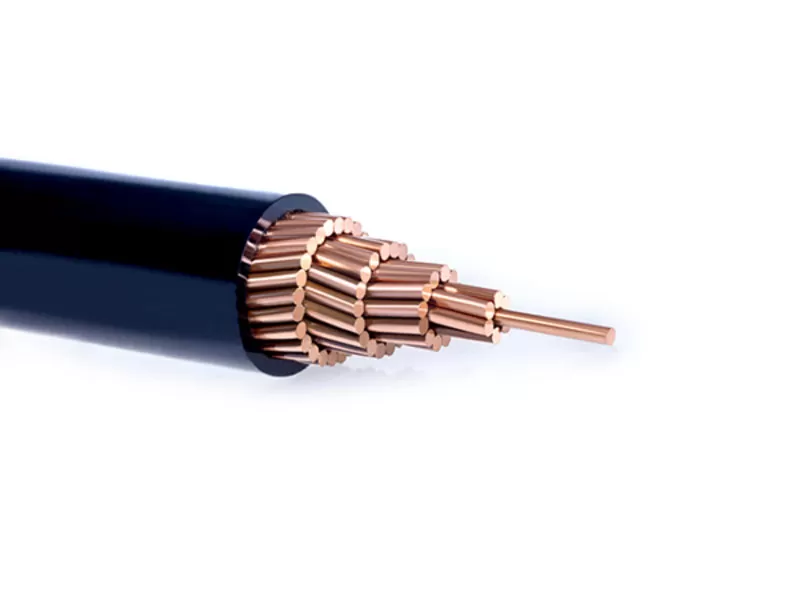
THHN stands for Thermoplastic High Heat-resistant Nylon-coated. It is one of the most popular types of wires used in construction and industrial settings due to its robust physical and thermal properties. THHN wire is characterized by its construction: a solid or stranded copper conductor, PVC (polyvinyl chloride) insulation, and a robust nylon jacket.
| Component | Description |
|---|---|
| Copper Conductor | High conductivity, supports solid or stranded formations. |
| PVC Insulation | Offers thermal stability and electrical insulation. |
| Nylon Jacket | Provides resistance to abrasion and chemicals. |
The nylon coating not only shields the wire from wear and tear but also facilitates ease during installation by reducing friction. THHN wire is often compared with options like XHHW wire, yet it remains a staple in numerous setups due to its specific qualities that meet the National Electrical Code (NEC) requirements.
The specifications of THHN wire underline its suitability for various environments. Here's a rundown of its primary characteristics:
Temperature Rating: Handles up to 90°C in dry locations.
Voltage Rating: Supports systems up to 600 volts.
Flame Retardant: Exhibits excellent flame resistance.
Moisture Resistance: The nylon jacket defends against moisture intrusion.
These attributes make THHN cable appropriate for air-conditioned spaces, leaving it less compatible with damp conditions unless additional protection is provided. The material selection, especially the PVC insulation, underscores the need for its UV protection when used outdoors, which is essential to maintaining its integrity and performance over time.
When it comes to building applications, THHN electrical wire sees widespread usage. Its adaptability is suited for conduits and cable trays due to its thermal and physical durability. Key applications include:
Commercial wiring projects.
Residential structures wired for lighting and outlets.
Industrial machinery that necessitates robust power feeds and controls, accommodating up to 600 volts.
Beyond these uses, its configuration allows for straightforward identification and segmentation within larger installations. Compared to different types of wires and cables, THHN wire's labeled properties enable quick decisions in mapping complex electrical systems.
While THHN wire faces competition from other wire types like XHHW wire or PVC cable, it offers distinct benefits, such as:
Cost-Effectiveness: Lower material cost due to copper's high conductivity and thin insulation layers.
Lightweight Design: Facilitates easier transportation and handling.
Versatility: Suitable for both armoured cable systems and as a standalone wiring solution in conduits.
Thermal Efficiency: Handles thermal variations up to 90°C, making it apt for interiors where temperatures may fluctuate.
Such advantages make THHN cable a preferred choice in various sectors, from residential to industrial applications, offering a balanced mix of economy and performance.
Proper installation of THHN wire is crucial to maximize its benefits and functionality. Here are some guidelines to ensure safety and efficiency:
Conduits: Ensure the use of appropriate conduits to protect the wire's insulation from physical damage.
Environment: Avoid environments with prolonged exposure to moisture to preserve the wire's integrity.
Compliance: Follow NEC guidelines to ensure all installations meet established safety standards.
Use of Cable Markers: Utilize cable markers for easy identification and troubleshooting.
By adhering to these practices, the longevity and reliability of THHN wiring in electrical systems are firmly grounded, reducing maintenance and operational risks.
In summary, THHN wire represents a versatile, efficient solution for a myriad of electrical applications. Its design aligns with both commercial and residential needs, offering reliability and durability. Understanding its characteristics and following best practices in installation not only safeguards the infrastructural integrity but ensures that you make informed decisions consistently. This knowledge equips you to explore the vast landscape of different types of cables, spotlighting why THHN cable continues to be a critical component within modern electrical installations.

With 15 years in cable manufacturing, Michael specializes in conductor material science and high-voltage applications. He has led development projects for China's ultra-high-voltage transmission network and holds three patents in conductor alloy technology. Before joining Zetastone, Michael worked with State Grid Corporation on nationwide grid upgrades.