CN
CN EN
EN
 es
es 
Jun 11, 2025


Stock Code: SH600704
What are you looking for?
Electrical wires are an integral part of our daily lives, powering everything from household appliances to industrial machinery. Despite their ubiquitous presence, there is a diversity of wires, each designed for specific functions, environments, and electrical demands. This article explores the various types of wires and cables, breaking down their unique applications and characteristics, as well as considering their selection and safety standards. Whether you're an electrical hobbyist, a professional in the industry, or someone curious about how your devices receive power, this guide aims to provide valuable insights into the world of electrical wiring.
The wiring systems available today are designed to meet specific regulatory, mechanical, and electrical requirements. Wire type classifications are typically based on insulation materials, conducting materials, and intended application environments. Each classification has distinct features that affect performance and suitability for different uses.
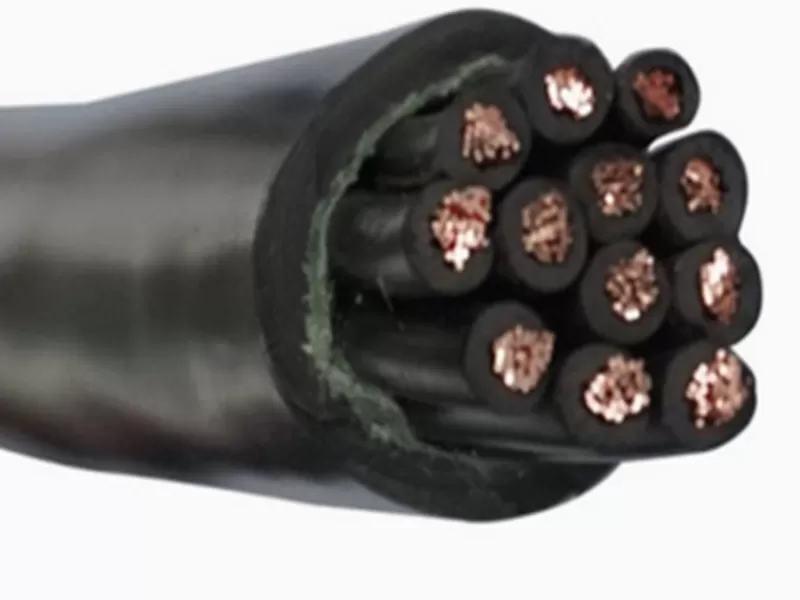
One of the fundamental classifications is the difference between solid and stranded wires. Solid cable is composed of a single conducting material, making it strong and less expensive, but less flexible. In contrast, stranded wire is made up of multiple thinner strands, making it more flexible and suitable for bending and folding. This type is often used in soow electrical cable where flexibility is needed over long distances and variable weather conditions.
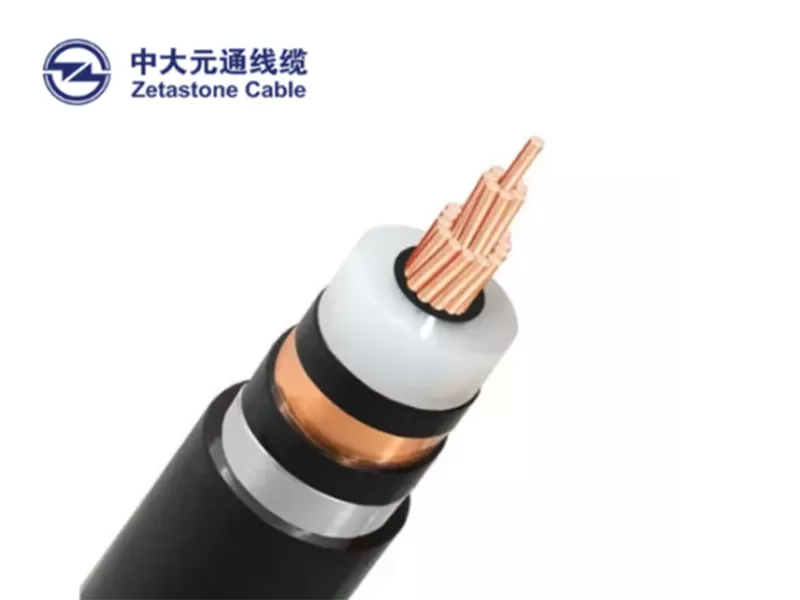
Furthermore, wires can be classified based on their insulation type, such as PVC cable or XLPE cable. PVC-insulated wires are common in residential applications due to their cost-effectiveness and versatility. In contrast, XLPE (cross-linked polyethylene) cables offer superior heat resistance, making them ideal for industrial and heavy-duty environments.
| Classification | Description | Application |
|---|---|---|
| Solid Wire | Single conductor, stiff, and durable | Fixed installations in homes |
| Stranded Wire | Multiple strands, flexible | Mobile and portable connections, e.g., locomotive cable |
| PVC Cable | Polyvinyl Chloride insulation, cost-effective | Household and commercial wiring |
| XLPE Cable | Cross-linked polyethylene, heat-resistant | High-temperature industrial applications |
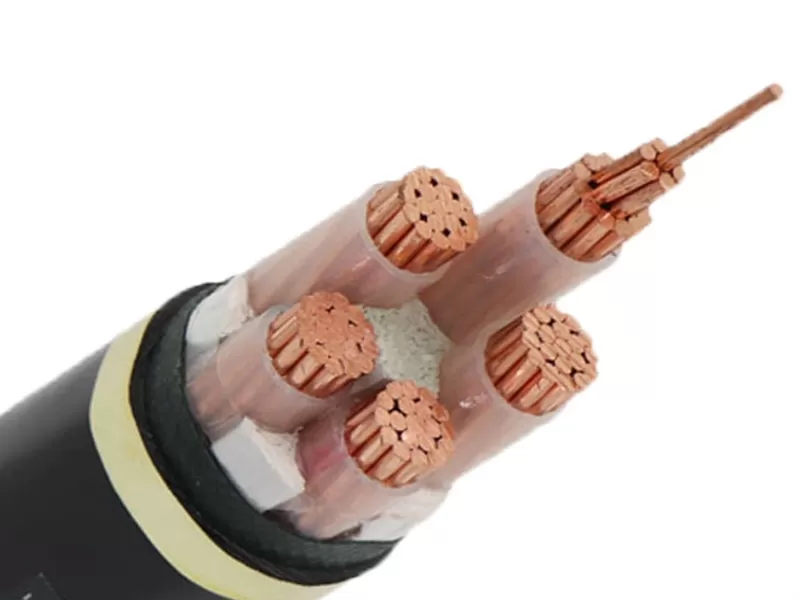
Home wiring must adhere to specific safety and efficiency standards. Common home wiring includes NM-B (non-metallic sheathed cable), which is widely used for residential wiring of branch circuits. It is composed of two or more insulated conductors with a bare ground wire. This cable is popular due to its relative cost-effectiveness and ease of installation.
Another type is the UF-B wire (underground feeder cable), which is engineered to endure wet conditions and can be buried directly under the ground without additional conduit protection. This makes it ideal for outdoor lighting and garden power sources. UF cable types are distinctive for their thick jackets which protect against moisture and physical damage.
THHN wire (Thermoplastic High Heat-resistant Nylon-coated wire) and THWN wire (Thermoplastic Heat and Water-resistant Nylon-coated wire) are designed for indoor applications. Both types are used in residential building conduit systems and have gained popularity due to their efficiency and safety in transmitting electrical power.
Industrial environments demand wires and cables that can withstand extreme temperatures, high electrical loads, and harsh conditions. Metal clad cable (also known as armor cable) is often used in industrial settings due to its enhanced protection against physical damage and its ability to handle high voltage. This type of wiring is often seen in manufacturing plants and power plants.
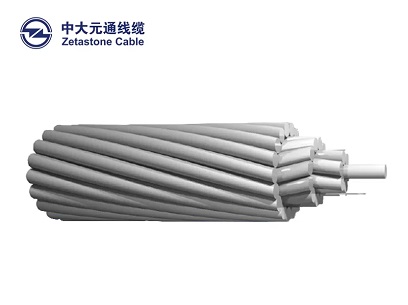
The ACSR cable (Aluminum Conductor Steel Reinforced) is another key wire type, used for overhead power lines. It combines the lightweight and conductive properties of aluminum with the strength of steel, making it ideal for long-distance power transmission.
Another important category is XHHW wire (XLPE High Heat Water-resistant) used in environments requiring versatility and resistance to heat and moisture. This type can be found in factories, mills, or other high-temperature environments, offering reliable performance and consistency under demanding conditions.
Selecting the appropriate wire requires understanding various factors that can impact performance and safety. The first consideration is the wire's capacity to carry current efficiently, which is also known as the ampacity. This is determined by the wire's size and material. For example, copper wires have higher conductivity than aluminum wires.
Insulation type is another critical factor. Different insulation materials offer varying degrees of resistance to temperature, fire, and environmental degradation. For example, the teck 90 cable is often chosen for its fire resistance and durability in industrial contexts.
Additionally, environmental conditions, such as exposure to moisture and chemicals, must be taken into account. For instance, SOOW cables are suitable for environments where oil resistance and flexibility are required. On the other hand, aluminum SER cable is used for service entrance applications due to its UV resistance and durability.
Compliance with safety standards is vital when dealing with electrical wiring, ensuring both operational efficiency and protection against electrical hazards. The Underwriters Laboratories (UL) listings, such as UL 4703 wire for photovoltaic wiring, certify cables based on rigorous testing procedures.
The National Electrical Code (NEC) also provides comprehensive guidelines to ensure safety and reliability in electrical installations. RHH/ RHW general cable, for instance, are recognized for their high heat resistance and are often used in conduits and trays.
Moreover, using certified components helps in achieving regulatory compliance and elevates overall system safety. For instance, PVC wire should not be used in areas where temperatures exceed its rated limits due to potential melting and fire hazards.
Understanding the different types of electrical wires enhances one's ability to select the most appropriate option for a given application, ensuring safety and efficiency. Whether for residential, commercial, or industrial purposes, the wide range of types of cables and types of wires and cables available today reflects advances in electrical engineering and materials science. To achieve optimal performance, it is crucial to consider various factors such as current capacity, insulation type, environmental conditions, and compliance with regulatory standards. By keeping these factors in mind, one can navigate the complex world of electrical wiring with confidence.
For more detailed information, refer to the following sources:

With 15 years in cable manufacturing, Michael specializes in conductor material science and high-voltage applications. He has led development projects for China's ultra-high-voltage transmission network and holds three patents in conductor alloy technology. Before joining Zetastone, Michael worked with State Grid Corporation on nationwide grid upgrades.