CN
CN EN
EN
 es
es Nov 20, 2025


Stock Code: SH600704
What are you looking for?
Understanding the nuances of electrical wiring is essential for both professionals and avid DIYers looking to ensure safety and efficiency in electrical installations. UF-B wire is a type of wire commonly recognized for its durability and versatility, making it integral in various residential and commercial applications. This wire type is notably used for underground installations, providing electrical power in demanding environments. In this article, we will explore the definition of UF-B wire, its direct burial applications, differences in indoor and outdoor usage, ampacity ratings, and common installation methods. Whether you're installing a new lighting system or setting up an outdoor power line, this comprehensive analysis will provide invaluable insights into using UF-B cables effectively.
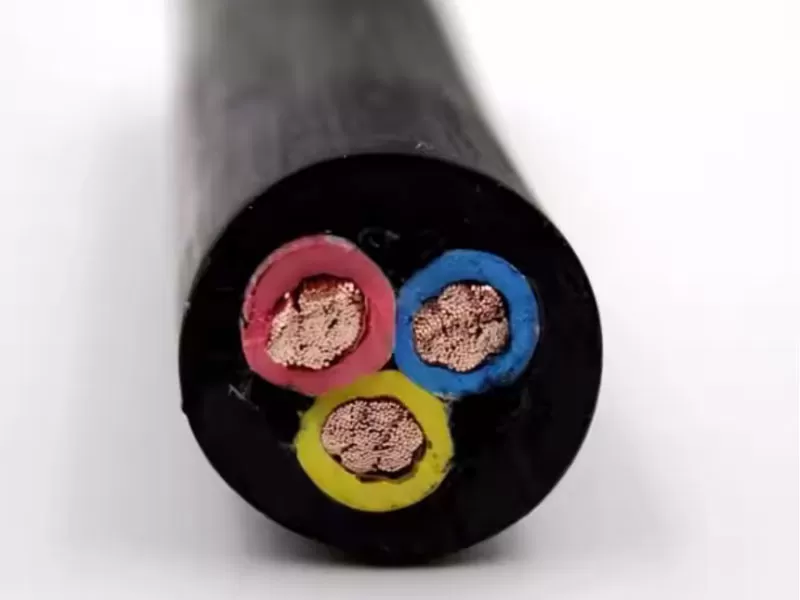
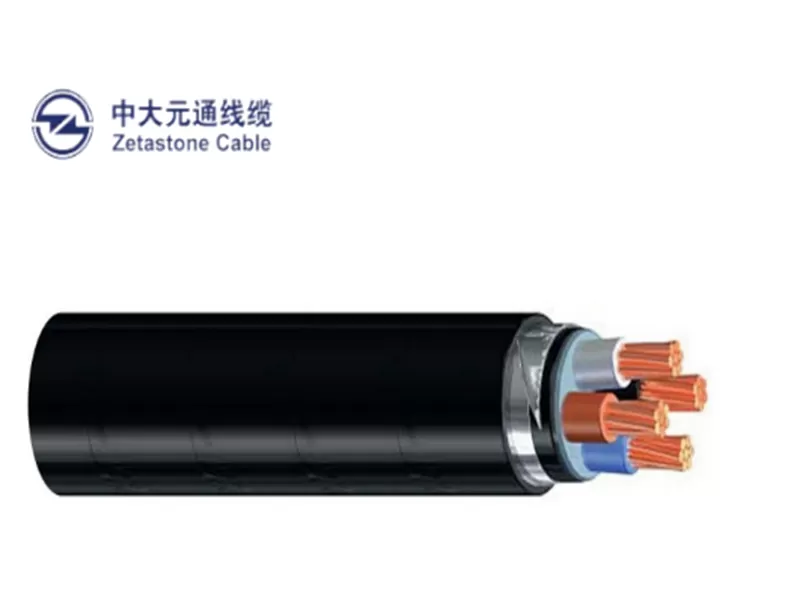
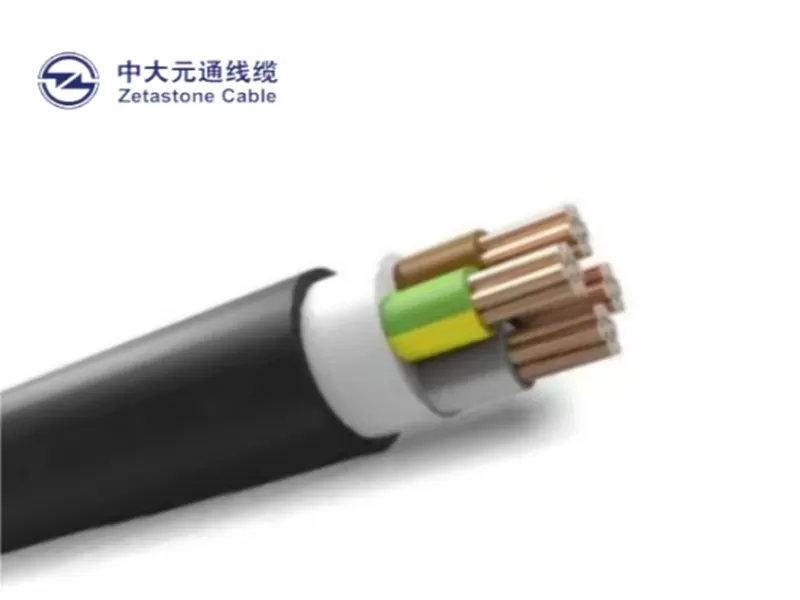
The term UF-B wire stands for "Underground Feeder - Branch circuit cable." Unlike other types of cables such as NM-B wire which is primarily used in indoor applications, the UF-B wire is specifically designed for challenging outdoor conditions. It comprises multiple insulated conductors enclosed within a thermoplastic jacket, which provides robust protection against the elements.
One of the most distinguishing features of UF-B wire is its ability to withstand moisture, which makes it ideal for direct burial without requiring additional conduit protection. This characteristic is made possible by its outer jacket made from PVC, which adds flexibility and resistance to environmental damage. Moreover, the wire can handle significant levels of electrical loads, making it suitable for various heavy-duty applications.
| Wire Type | Application | Properties |
|---|---|---|
| UF-B Wire | Outdoor, Underground | Moisture resistant, Direct burial |
| NM-B Wire | Indoor | Basic residential wiring |
| THHN wire | General Purpose | Heat resistant, High voltage |
One of the primary uses of UF-B wire is for direct burial applications, which involve laying the wire directly into the ground. This setup is often required when extending electrical lines to external buildings, outdoor lighting, or other structures distanced from the main power source. The ability to install UF-B cables without protective conduit simplifies the installation process and reduces costs significantly.
When utilizing UF-B, it's important to comply with local electrical codes and guidelines to ensure a safe installation. The depth at which the wire is buried, typically a minimum of 24 inches, must be adequate to prevent accidental damage from digging or pests. By following these guidelines, the cable offers a robust power delivery solution capable of withstanding extreme weather conditions.
Though UF-B wire is primarily designed for outdoor applications, it can also be used indoors. However, its moisture-resistant properties make it particularly valuable for environments where dampness is a concern, such as basements or bathrooms. It effectively handles both exposure to the elements outdoors and variable environmental conditions indoors, though it may not be as cost-efficient as other wires meant specifically for indoor use.
Indoors, care should be taken when threading UF-B wire through structural components to avoid damaging the outer jacket. Outdoors, the versatility of the wire shines; UF-B powers external lighting, pool equipment, and outbuilding subpanel feeds confidently. Understanding the limitations and appropriate environments for UF-B ensures optimal performance and longevity, making it a valuable choice in both arenas.
Ampacity ratings determine the maximum electrical current a wire can safely carry before risking damage or failure. The ampacity of UF-B varies with its gauge and application, with thicker wires supporting higher current loads. For instance, a 12-gauge UF-B wire typically supports up to 20 amps, whereas a 10-gauge can handle up to 30 amps.
These ratings ensure that the right size of UF-B is selected for intended use, balancing performance with safety. Exceeding the specified ampacity can lead to overheating and potentially hazardous conditions. Therefore, compliance with these ratings is crucial during installation. Armed with the right knowledge, consumers can optimize energy efficiency, safety, and functional performance by matching wire selection to ampacity requirements.
UF-B wire installation methods vary according to specific applications, but generally include methods like direct burial or running through PVC conduits in areas of transition between indoor and outdoor spaces. For power lines extending across open spaces, the wire is typically buried directly, maintaining a consistent trench depth for protection.
Utilizing cable markers can enhance both safety and organization by clearly identifying the wire during future upgrades, maintenance, or repairs. This methodology emphasizes preparedness, preventing issues from escalating by fostering a safe, sustainable electrical system. When correctly installed, UF-B contributes to a wide array of applications, promoting robust power solutions for modern demands.
The detailed understanding of UF-B wire, including its favorable characteristics and applicable contexts, underscores its important role in electrical systems. Versatile yet specialized, the UF-B wire remains a versatile and reliable choice for many installation scenarios, marrying function and form.
In summary, choosing the right wire type is paramount to ensuring safety and efficiency in any electrical project. With its excellent moisture-resistant properties, suitability for direct burial, robust ampacity ratings, and versatile installation options, UF-B wire offers a reliable and durable solution for various electrical needs. Whether for home renovations, new constructions, or upgrading existing systems, understanding the unique qualities and applications of UF-B can guide informed decisions, resulting in safer and more efficient electrical installations.

With 15 years in cable manufacturing, Michael specializes in conductor material science and high-voltage applications. He has led development projects for China's ultra-high-voltage transmission network and holds three patents in conductor alloy technology. Before joining Zetastone, Michael worked with State Grid Corporation on nationwide grid upgrades.