CN
CN EN
EN
 es
es 
Nov 22, 2024


Stock Code: SH600704
What are you looking for?
Industrial automation systems depend on accurate signal transmission and reliable communication between machines, sensors, controllers and other electrical components. While power cables provide energy supply, control cables play a different role by transmitting control signals that keep automated equipment operating efficiently.
Choosing the right control cable manufacturer is an important step for industries that require stable automation performance. A reliable supplier can provide cables with suitable construction, shielding performance and durability for different industrial environments.
As manufacturing systems become more automated, demand for high-quality control cables continues to increase across machinery, production lines and industrial equipment applications.
In modern industrial environments, even small signal transmission issues can affect production efficiency, equipment accuracy and operational safety. Control cables are responsible for carrying important electrical signals, so cable quality directly influences system reliability.
Working with an experienced control cable manufacturer helps ensure that cables meet the technical requirements of specific automation applications.
Key reasons supplier selection matters include:
Consistent product quality: Reliable manufacturers use stable production processes and inspection procedures to maintain cable performance.
Suitable technical solutions: Different automation systems require different cable structures, including flexible designs, shielding options and insulation materials.
Long-term reliability: Industrial cables often operate in environments with vibration, temperature changes and electromagnetic interference, requiring strong durability.
Application support: Professional suppliers can help customers select suitable cable specifications according to equipment requirements.
A qualified control cable supplier provides more than standard products. It helps customers identify suitable solutions for automation systems, machinery connections and industrial control applications.
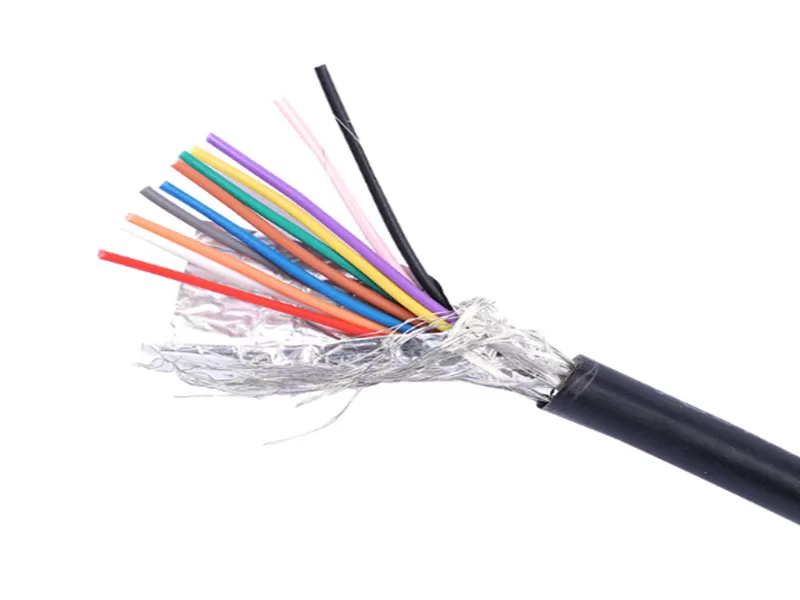
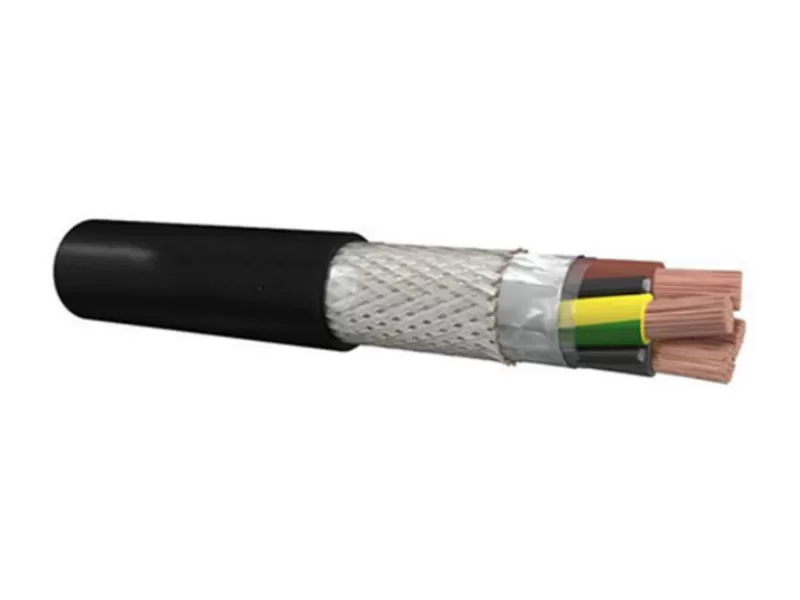
The performance of a control cable depends on its internal structure and protective design. Each component contributes to reliable signal transmission and long service life.
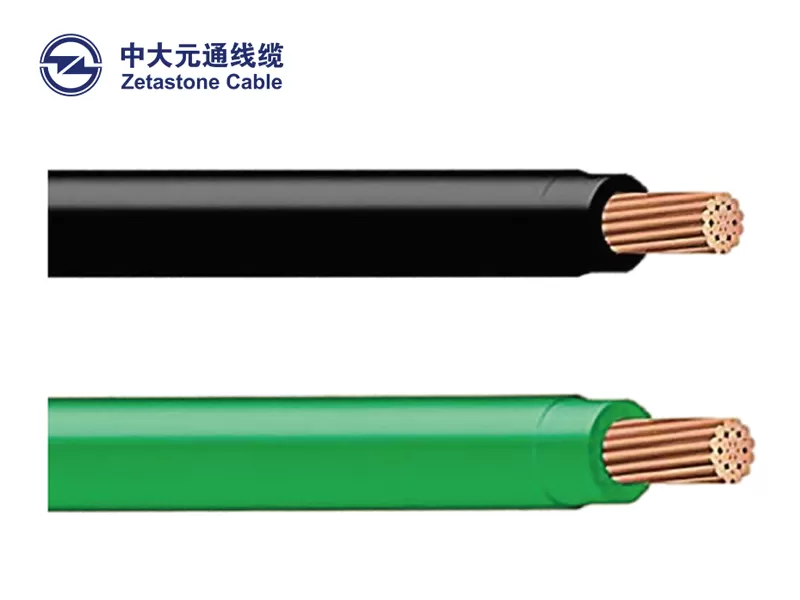
Conductors
Conductors transmit electrical signals between control devices. High-quality conductor materials help maintain stable communication and reduce signal loss, especially in systems requiring accurate control responses.
Insulation
The insulation layer separates conductors from one another, preventing electrical interference or leakage. The selected insulation material should match the installation environment, temperature conditions and flexibility requirements.
Shielding
Many industrial environments contain electromagnetic interference from motors, machines and electrical equipment. Shielding helps reduce signal disturbance and improves communication stability.
Protection
The outer protection layer provides resistance to mechanical stress, abrasion, moisture and environmental factors. For applications involving frequent movement or harsh conditions, additional protection may be required.
Different control cables can be designed with various combinations of conductor arrangements, shielding structures and protective layers to meet different automation requirements.
Control cables are widely used in industrial systems where accurate signal transmission is essential. Their applications cover different types of machinery, automation equipment and control networks.
In manufacturing machinery, control cables connect sensors, actuators, motors and control units to ensure coordinated operation. Reliable signal transmission helps improve equipment accuracy and production efficiency.
Industrial control systems also depend on control cables for communication between programmable controllers, monitoring systems and automated components. These connections require cables that can maintain stable performance over long operating periods.
For industrial equipment involving repeated motion, a flexible shielded cable can provide stable signal transmission while supporting dynamic installation requirements. Proper cable selection helps reduce downtime and improves system reliability.
As automation technology continues to develop, demand for specialized control cable solutions is increasing in industries such as manufacturing, robotics, energy equipment and industrial processing.
Although both control cables and power cables are used in electrical systems, they serve different purposes. Understanding their differences helps buyers choose the correct cable type.
| Factor | Control Cable | Power Cable |
|---|---|---|
| Main purpose | Signal and control transmission | Electrical power transmission |
| Current level | Lower current requirements | Higher current requirements |
| Application | Automation and control systems | Electrical supply systems |
| Design focus | Signal accuracy and interference protection | Power capacity and insulation performance |
| Common use | Machines, sensors and control panels | Power distribution and equipment supply |
Control cables are not designed to replace power cables. Instead, they work together in industrial systems, with power cables supplying energy and control cables managing signals and commands.
Selecting the right supplier requires evaluating both manufacturing capability and technical support. A reliable control cable supplier should be able to provide consistent products that match project requirements.
Important factors include:
Manufacturing experience: Experienced suppliers usually have a better understanding of different industrial applications and cable requirements.
Quality control: Production inspection, material testing and performance verification help ensure reliable cable quality.
Customization capability: Different automation systems may require specific cable structures, lengths, shielding designs or technical specifications.
Product range: A supplier with comprehensive control cables can provide more suitable options for different industries.
Before purchasing, buyers should also confirm cable standards, operating environment, flexibility requirements and compatibility with existing equipment.
Choosing a professional cable partner helps businesses maintain reliable industrial automation performance. Zetastone provides cable solutions designed for various industrial applications, including control systems and automation equipment.
As an experienced control cable manufacturer, Zetastone focuses on:
Manufacturing capability: Advanced production processes deliver stable cable performance and consistent quality.
Quality management: Strict inspection procedures help ensure cables meet electrical and mechanical requirements.
Application-focused solutions: Zetastone supports customers in selecting suitable cable structures based on operating conditions and project needs.
With professional cable production experience, Zetastone helps global customers develop reliable connections for industrial automation systems, machinery and control applications.
A control cable is used to transmit electrical signals between control devices, sensors, machines and automation systems.
Control cables mainly transmit signals, while power cables are designed to deliver electrical energy with higher current capacity.
Yes. Control cables can be customized according to conductor arrangement, shielding requirements, length and application conditions.
Control cables are widely used in manufacturing, automation, robotics, industrial equipment and process control systems.
Buyers should evaluate manufacturing experience, quality control, customization capability and the supplier’s ability to provide suitable cable solutions.

With 15 years in cable manufacturing, Michael specializes in conductor material science and high-voltage applications. He has led development projects for China's ultra-high-voltage transmission network and holds three patents in conductor alloy technology. Before joining Zetastone, Michael worked with State Grid Corporation on nationwide grid upgrades.