CN
CN EN
EN
 es
es 
Jun 12, 2026


Stock Code: SH600704
What are you looking for?
Reliable power distribution requires cables that can maintain stable electrical performance while handling different installation environments. For underground power networks, industrial facilities and outdoor electrical systems, cable selection plays an important role in ensuring safety, durability and long-term operation.
The NYY power cable is widely used in low-voltage power distribution because of its robust structure, strong mechanical protection and suitability for fixed installations. Designed for underground and outdoor applications, NYY cables provide a practical solution for projects that require reliable energy transmission under demanding conditions.
Understanding the construction, applications and selection factors of NYY cables helps engineers, contractors and buyers choose the right cable solution for their specific projects.
Underground power systems require cables that can withstand moisture, soil pressure, mechanical impact and environmental changes. Unlike general-purpose electrical wires, underground cables need additional protection to maintain performance over long service periods.
A NYY power cable is designed for fixed power distribution applications where durability and safety are important. Its protective structure allows it to be installed in underground environments, cable trenches, buildings and outdoor electrical systems.
The main advantages of NYY cables include:
Strong mechanical protection: The outer sheath helps protect the cable from external damage during installation and operation.
Reliable underground performance: The cable structure is suitable for buried installations where exposure to moisture and soil conditions is expected.
Stable electrical transmission: High-quality conductor materials ensure efficient current flow and dependable power supply.
Flexible installation options: NYY cables can be used in various fixed installation environments, including industrial and commercial projects.
For applications requiring underground low-voltage power distribution, NYY power cable provides a reliable balance among performance, protection and cost efficiency.
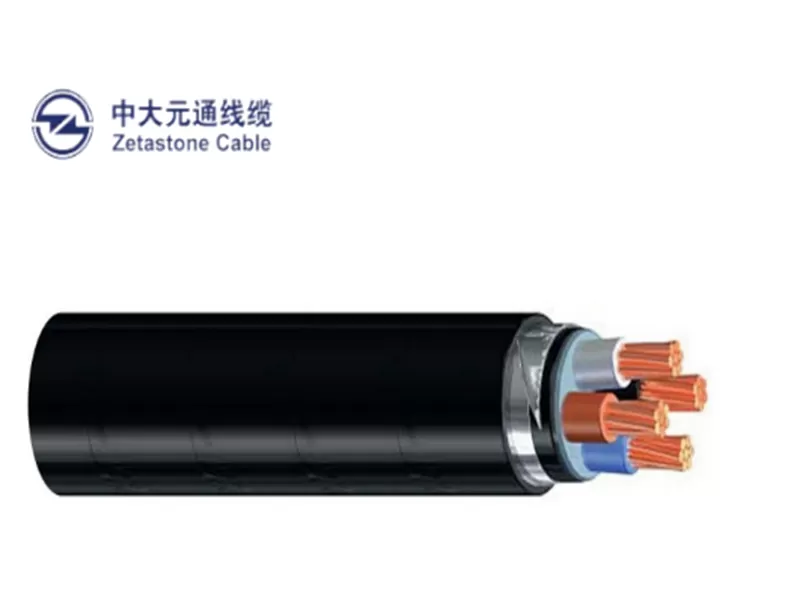
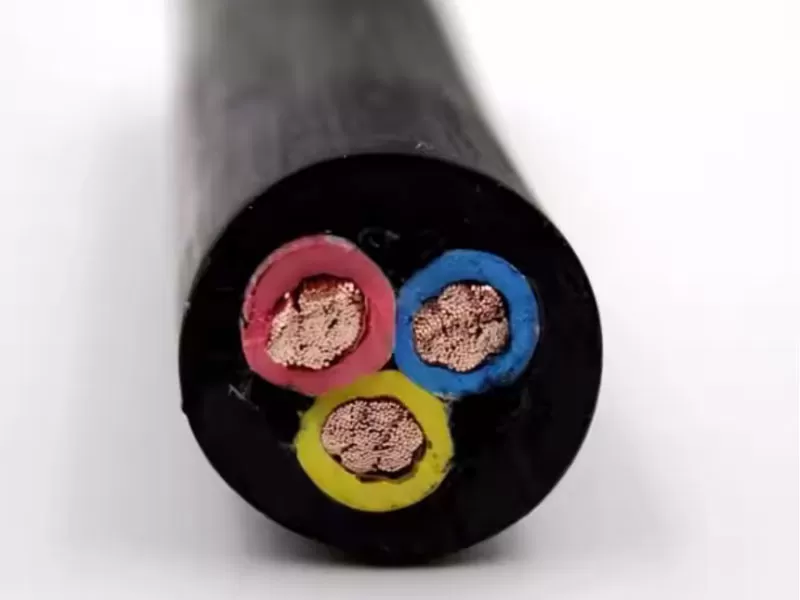
The performance of an NYY cable depends on the combination of its internal components and protective layers. Each part contributes to electrical safety and long-term reliability.
The conductor is responsible for transmitting electrical current. Copper is commonly used because of its excellent conductivity and stable electrical performance, helping reduce energy loss during power transmission.
PVC insulation separates conductors from one another, preventing electrical leakage. It provides reliable insulation performance for low-voltage power applications while maintaining flexibility during installation.
The outer sheath is an important component of NYY cable construction. It protects the internal layers from moisture, abrasion and environmental impact, making the cable suitable for underground and outdoor use.
Compared with cables designed only for indoor applications, NYY cables provide enhanced protection through their multi-layer construction. This makes them suitable for projects where cable durability is a priority.
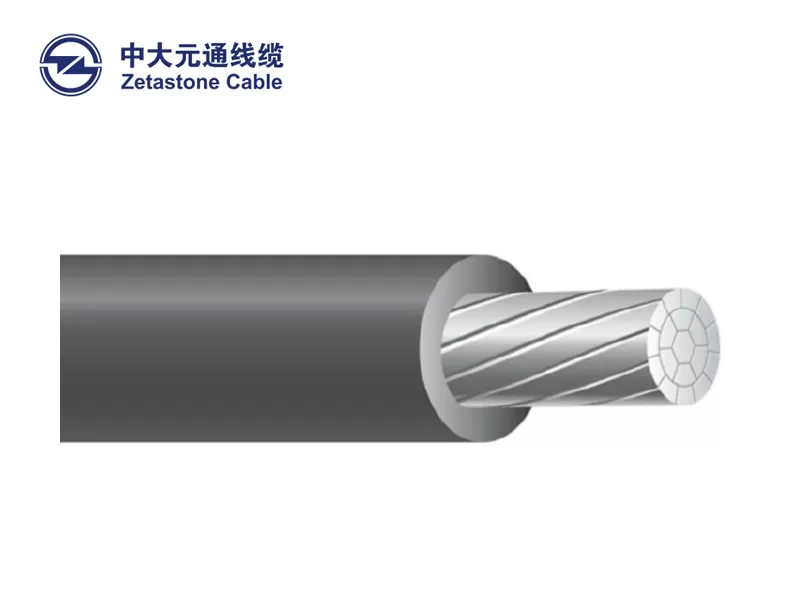
Although different cable structures are designed for different purposes, buyers often compare NYY solutions with products supplied by XLPE cable manufacturers, especially when higher voltage performance or different insulation characteristics are required.
NYY cables are commonly used in projects where stable low-voltage power distribution is required. Their durable structure makes them suitable for various commercial, industrial and infrastructure applications.
In building projects, NYY cables can be used for fixed electrical installations, power supply connections and distribution systems where reliable cable protection is needed.
For infrastructure applications, underground cable installation is often preferred because it reduces exposure to weather conditions and improves system safety. NYY cables are suitable for many buried power distribution networks.
Industrial facilities also use NYY cables for outdoor equipment connections, electrical systems and fixed power transmission applications. Their mechanical protection and environmental resistance make them suitable for demanding working conditions.
When selecting cables for large-scale industrial projects, buyers may also evaluate different solutions from XLPE power cable manufacturers on the basis of voltage requirements, installation conditions and system design.
NYY and XLPE cables are both used in power distribution, but they have different insulation structures and application advantages.
| Factor | NYY Power Cable | XLPE Cable |
|---|---|---|
| Insulation | PVC insulation | XLPE insulation |
| Application | Mainly low-voltage underground and outdoor systems | Suitable for various industrial power systems |
| Temperature performance | Designed for standard low-voltage applications | Higher temperature resistance |
| Common environment | Underground, buildings and fixed outdoor installations | Industrial networks and higher-performance systems |
The choice between NYY and XLPE cables depends on project requirements. NYY cables are often preferred for low-voltage fixed installations, while XLPE cables may be selected for applications requiring higher electrical performance and wider voltage ranges.
Choosing the correct cable requires evaluating both electrical requirements and installation conditions. A suitable cable selection can improve system safety, reduce maintenance needs and ensure reliable operation.
Key factors include:
Voltage requirements: The cable voltage rating should match the electrical system to prevent safety issues and performance limitations.
Installation environments: Underground, outdoor, indoor and industrial installations may require different cable protection levels.
Current capacity: Cable size should be selected according to the expected current load to ensure efficient power transmission.
Environmental conditions: Moisture, temperature changes, mechanical stress and chemical exposure should all be considered before choosing a cable.
Project owners should also evaluate conductor material, insulation type and certification requirements when comparing different cable solutions.
A professional cable supplier can help customers determine whether NYY, XLPE or other power cable structures are more suitable for their specific application.
Reliable cable quality is essential for maintaining safe and efficient power systems. Zetastone provides cable solutions designed for different electrical applications, including low-voltage power distribution and industrial projects.
The company focuses on:
Manufacturing capability: Advanced production processes deliver consistent cable quality and stable performance.
Quality control: Strict inspection procedures help ensure cables meet electrical and mechanical requirements.
Application-based solutions: Zetastone provides different cable options based on installation environment, system requirements and project needs.
With professional cable manufacturing experience, Zetastone supports global customers seeking dependable power cable solutions for infrastructure, industrial and commercial applications.
NYY is a type of low-voltage power cable commonly used for fixed installations, including underground and outdoor power distribution.
NYY cables are commonly installed in buildings, industrial facilities, outdoor fixed electrical systems and underground locations.
Yes. NYY cables are designed with protective sheathing that allows them to perform in outdoor and underground environments.
The main difference is insulation material and application range. NYY typically uses PVC insulation for low-voltage applications, while XLPE cables are designed for broader and higher-performance power systems.
Buyers should consider voltage rating, current capacity, installation environment, cable structure and project requirements before selecting a suitable cable.

With 15 years in cable manufacturing, Michael specializes in conductor material science and high-voltage applications. He has led development projects for China's ultra-high-voltage transmission network and holds three patents in conductor alloy technology. Before joining Zetastone, Michael worked with State Grid Corporation on nationwide grid upgrades.